Tech Blog
A technical blog where we publish practical knowledge from building Web3, blockchain, and AI systems, written for IT engineers. We share first-hand accounts of the problems we ran into during implementation, design decisions, and verification results.
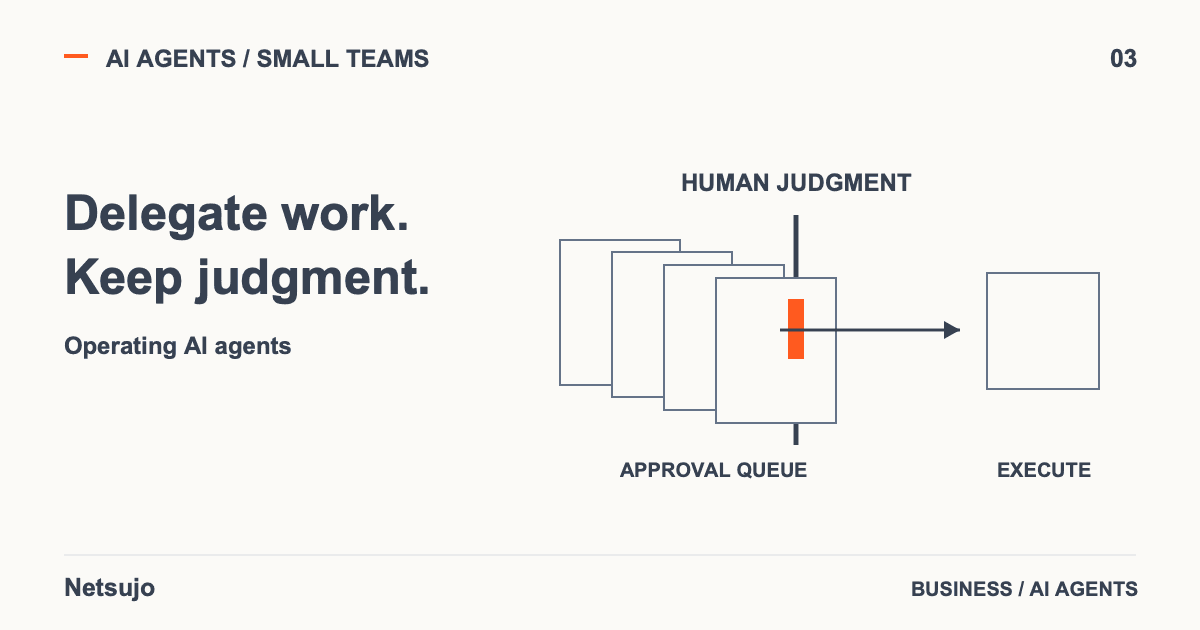
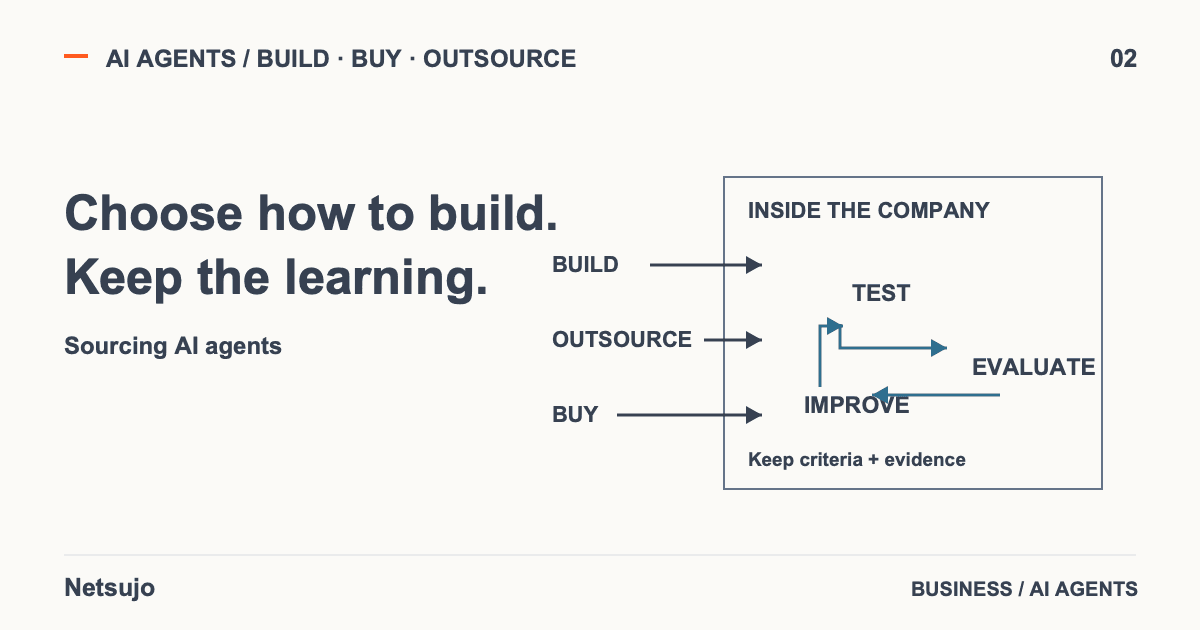
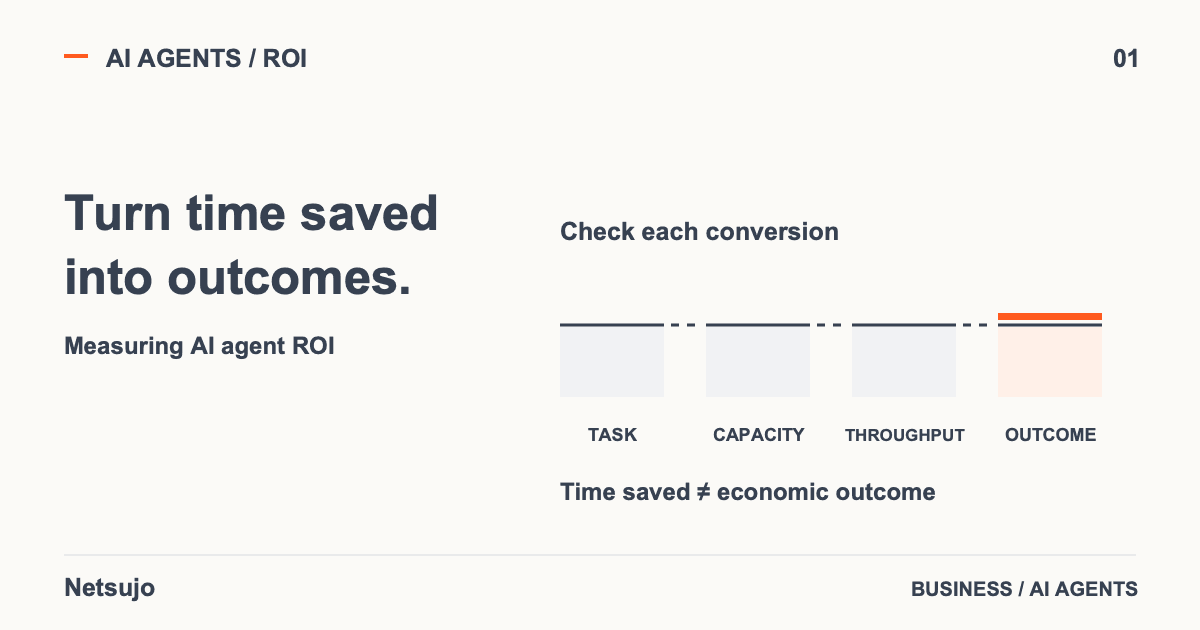
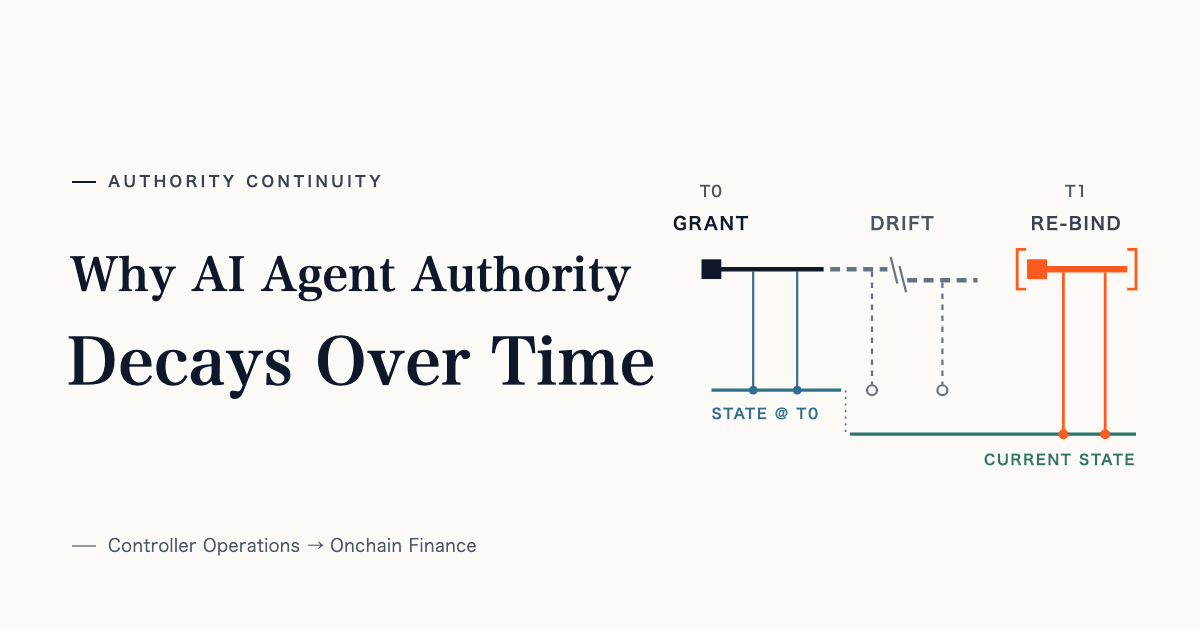
Japanese and English articles share one article-specific eyecatch across the index, article, and social preview. Generated covers use visual motifs without embedding the article title.
For a systematic guide to Web3, see our English Web3 Knowledge Hub; for talks, events, and other activity reports, see our Japanese blog. Most Tech Blog articles remain Japanese-only, while the English guides linked below are available in full.
Recent article themes
Our Tech Blog groups articles under themes including AIO (AI search visibility and optimization — how a site is found and cited by AI assistants and AI-generated search answers), SEO, and AI development. Recent themes include: how to choose an AI-search or SEO improvement firm by comparing where responsibility for diagnosis, implementation, and measurement sits, the cost of AIO work, why strong technical capability often fails to come across on the web, checking whether AI crawlers are reaching a site via server logs, whether a JavaScript-rendered site's content reaches crawlers, comparing by CMS how far SEO, retrievability, and measurement can actually be implemented, why AI search tends to recommend competitors instead of your company, why AI sometimes gets company information wrong and how to fix it, what an AIO diagnostic can and cannot tell you, measuring SEO/AIO results through to enquiries, an AI-search-engine optimization guide, AI writing and SEO quality, structured data (Schema/JSON-LD) implementation, and an AI Overviews guide.
Other recurring themes include GSC-driven content rewriting, how to decide whether to allow or block AI crawlers such as OAI-SearchBot and GPTBot — keeping the robots.txt policy separate from what server logs show actually reached the site, E-E-A-T for B2B sites, how to identify search intent, local SEO/MEO basics, AI-driven local discovery, review and rating strategy, e-commerce product-page SEO/AIO, growing branded search, mobile UX and Core Web Vitals, and how to choose an SEO or web-production partner. More recent additions cover what drives the cost of B2B website improvement and how a 90-day programme is sequenced, how to write an improvement specification that a production agency or in-house engineer can actually implement, and how to share GA4 and Search Console access with an outside firm under least-privilege settings. We also cover investigating Search Console's "crawled - currently not indexed" state, notifying Bing of updates with IndexNow, the SEO side effect of Vercel Skew Protection's ?dpl= parameter, a 20-item self-diagnosis checklist for B2B sites, why a manufacturer's technical content is rarely cited by AI search, information design for professional-services firms, the difference between being cited and being absorbed into an AI answer, how to measure AI visibility — deciding the number of repeat runs, reporting a confidence interval, and the limits of a single composite score — and why optimising for generative AI search is an extension of SEO rather than a separate discipline.
On the AI-development side, we have published write-ups on connecting business tools to AI agents via MCP (Model Context Protocol), keeping structured data intact across Next.js and Strapi, how to measure Google's AI features — where Search Console already reports them, and where citations in external AI tools have to be observed separately — running RAG (retrieval-augmented generation) in production, running our own AI-agent operations ("Netsujo's operating OS"), building an in-house SEO analytics dashboard that combines GA4 and Search Console, our record of spec-driven development and parallel project work with Claude Code, and a Japanese-only account of how Netsujo SIGNAL grew out of improving our own two websites with AI agents rather than being planned as a product to sell. The AI Agent Development Incident Log is now complete at twelve episodes, published in both Japanese and English: separating roles before adding more AI, giving AI review a budget and an exit condition, moving repeated human checks into a Controller, Evidence Ledger, and Gate, why a chat name is not the identity of a work item, why stopping a chat does not stop an external process, trusting an exact SHA rather than a pull request number, why CLOSED is not MERGED, classifying CI failures before pressing rerun, redesigning GitHub Actions firing for AI-agent commit frequency, parallel implementation with serialized integration, why a green deploy is not production verification, and why routing every change through owner approval stopped delivery. Japanese-only pieces still cover how an AI adoption assessment is run, fixing Japanese headings that wrap badly on mobile, why a company that is never discovered in search or generative AI is never compared in the first place, why AI agents remove the wait for implementation but concentrate the harder calls — scope, priority, when to ship, when to stop — on one person, and what we can take on for AI development and for system development from our base in Kyoto.
Twelve long-form guides are also available in English: diagnosing why a B2B website is not generating enquiries, converting SEO reports into implemented improvements, diagnosing why a company does not appear in AI search across the five stages of retrieval, candidacy, citation, answer, and action, what determines the cost of B2B website improvement over a 90-day roadmap, how to write an improvement specification for the web, how to decide access for GA4, Search Console, a CMS, and GitHub, what to verify after a website goes live, how to improve a website without replacing the existing production company, how to protect SEO, AI search visibility, and lead measurement during a website redesign, why SEO agencies ask us to take on the coding layer of their improvement plans, how to run AI coding agents in parallel without merge chaos, and a Web3 consulting search and AI visibility case study. All twelve episodes of the AI Agent Development Incident Log are available in English as well, and are listed from the series hub.
Diagnose why a B2B website is not generating enquiries
Turn SEO reports into implemented improvements
Diagnose why your company does not appear in AI search
Understand B2B website improvement cost and the 90-day roadmap
Write an improvement specification that can be estimated and implemented
Decide how much access to grant for web improvement
Verify SEO, structured data, and GA4 after publication
Improve a website without replacing the existing production company
Protect SEO, AI search visibility, and lead measurement during a website redesign
How to divide SEO implementation across strategy, code, and approval
Run AI coding agents in parallel without merge chaos
Read the Web3 consulting search and AI visibility case study
Browse all twelve episodes of the AI Agent Development Incident Log
The Tech Blog's full article archive is currently Japanese-only, apart from the guides and the AI Agent Development Incident Log linked above.
If you would like to discuss anything covered on the Tech Blog, please get in touch.
Contact us