
How We Took an RWA Venture from Concept to MVP Requirements in Three Months
Netsujo Inc. ·
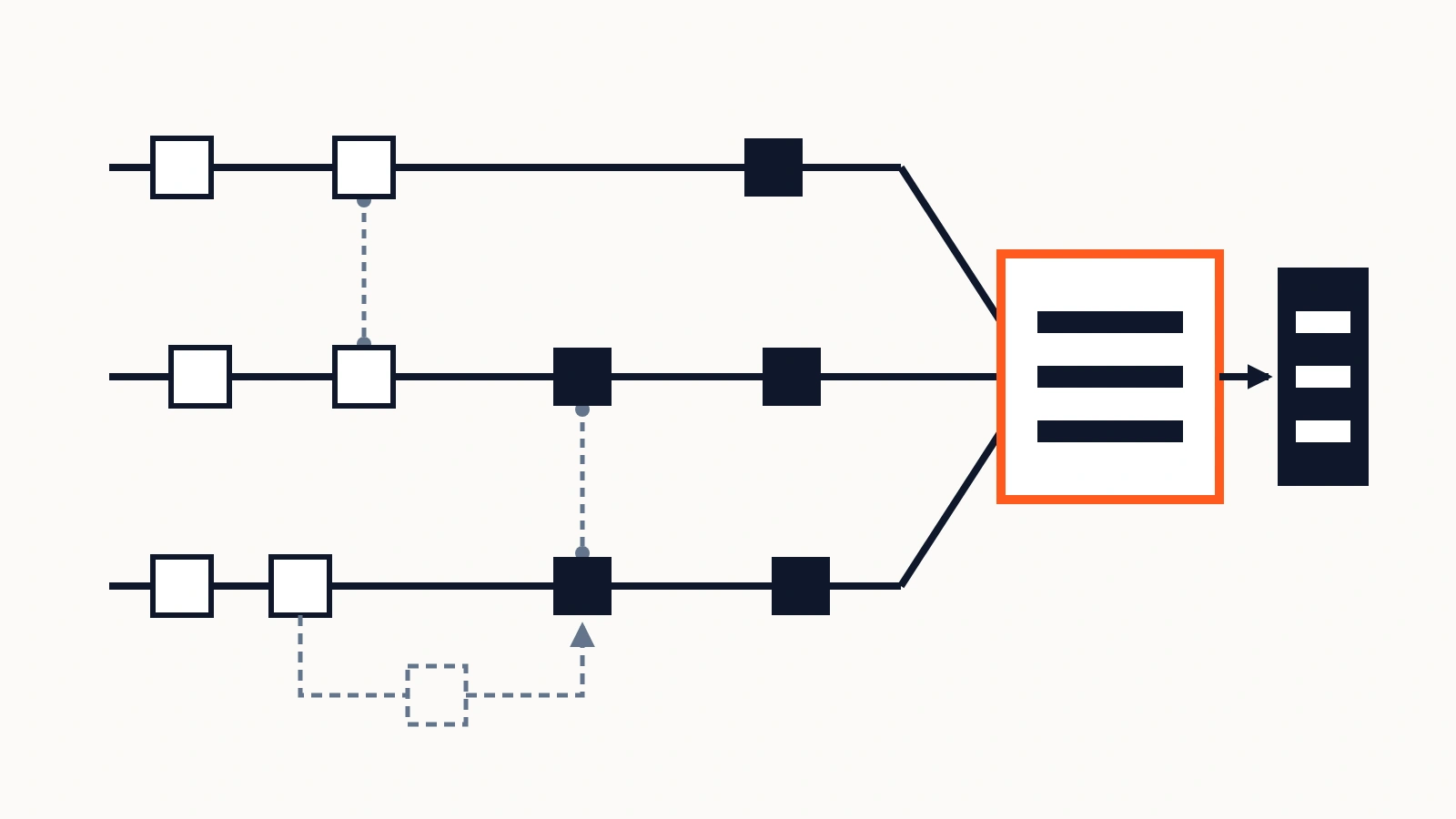
Netsujo Inc. helped a client turn a real-world asset (RWA) tokenization venture concept into minimum viable product (MVP) requirements over approximately three months. The open questions affected one another: which assets to tokenize, who would issue the tokens, whether to include secondary trading, which regulations needed review, and which blockchain architecture to use. We established an MVP scope, a technical direction, and prioritized legal-review questions. The engagement then moved into the development phase without rework, as recorded in our case study.
Our responsibilities included working with the business owner to clarify the concept, structuring decisions, evaluating technical feasibility, coordinating with legal specialists, planning the proof-of-concept work, and defining requirements. These activities illustrate a practical part of Forward Deployed Engineer (FDE)-style work: staying close to a customer's business problem while connecting specialist decisions to engineering execution.
The problem we took on: development could not be scoped yet
The client had a concept for a new RWA service, but the intended offering remained broad. The boundaries of the product and the conditions for commissioning its development had not been settled.
Selecting the assets would affect intended users and data. Choosing between direct issuance and a platform model would change the business responsibilities and the system design. Including secondary-market transactions would introduce additional questions about regulation and implementation. These were linked choices, not independent engineering preferences.
We organized the starting questions into four areas:
| Area | Open decision | Consequence for the next phase |
|---|---|---|
| Business | Eligible assets, issuer model, secondary trading | MVP features and product boundaries |
| Engineering | Public or consortium chain; smart-contract constraints | Architecture and technical validation |
| Legal | Applicability of financial instruments and payment services rules | Business-model constraints and specialist review |
| Governance | Who decides what, and when | Requirements and procurement readiness |
Fixing an architecture before those assumptions were understood could have caused design changes later. We therefore began by clarifying the conditions on which engineering decisions would depend, rather than choosing a stack in isolation.
We clarified the business concept while testing technical feasibility
We worked with the venture owner to make the proposed scope explicit, including what belonged in the first version and what would remain outside it. At the same time, we examined candidate blockchain approaches and relevant smart-contract constraints. Our approach was to conduct concept clarification and feasibility work in parallel.
We also coordinated legal review. Netsujo's technical team did not replace the legal specialists' judgment about the applicable rules. We identified the questions that required specialist attention and organized their priority. The business owner retained decisions about business priorities; we supplied technical options, constraints, and evidence about feasibility.
This separation helped us move forward on bounded technical investigations while keeping decisions requiring legal or business authority with the people responsible for them. The technical work was intended to make requirements actionable; it should not be mistaken for proof that a completed commercial service was already operating.
We used three criteria to define the MVP boundary
Reducing a broad venture idea to a first release requires reasons for including or excluding capabilities. We introduced a three-part assessment for proposed ideas: legal feasibility, technical feasibility, and business impact. We used it to structure agreement among the participants and decide the MVP scope.
For an item such as secondary trading, a technically feasible implementation alone would not settle the legal or commercial decision. Work that could be tested within agreed boundaries could proceed, while specification choices requiring specialist review remained with the authorized decision-makers. This is a transferable example derived from the issues addressed in the engagement, not a reconstruction of an individual approval record.
The assessment also gives a useful basis for subsequent changes. New legal constraints can affect technical choices; changes in business priorities can alter what the MVP needs to contain. Recording why a choice was made allows the next engineer or business owner to understand when that choice should be revisited.
What we delivered in approximately three months
Our case study records four concrete outcomes from the engagement:
- We defined the MVP. We translated a broad set of venture ideas into requirements that established what the first development scope would contain.
- We settled a technical direction. We organized the blockchain selection and smart-contract design approach around the agreed constraints.
- We prioritized the legal work. We identified applicable regulatory questions and established the order in which legal considerations needed to be addressed.
- We enabled the move into development. The project progressed from completed MVP requirements into the development phase without rework. The three-criterion decision framework remained with the client as a way to assess priorities.
These are outcomes of work our team carried out. We do not attach unmeasured claims about the venture's later revenue or user adoption to them. Our contribution at this stage was to move the project from an unresolved concept to decisions and requirements that could be used for development.
The roughly three-month period describes this specific engagement. It is not a standard delivery timeline or a guarantee of legal compliance for other RWA projects.
How we apply this experience to AI and SaaS deployments
AI and SaaS deployments face similar dependencies. A team may want to connect an agent to internal data before access authority, approval steps, the target workflow, or quality requirements have been established. In those situations, we recommend recording each pending decision alongside the next piece of work it enables.
The following is our proposed framework, informed by the RWA engagement. It does not claim to reproduce a client deliverable word for word.
| Field | What to capture |
|---|---|
| Decision | What has to be decided before the next step can begin? |
| Current state | Under investigation, awaiting specialist review, awaiting business decision, or approved |
| Decision owner | Business owner, technical lead, legal specialist or other authorized party |
| Required evidence | Agreements, feasibility tests, user requirements, regulatory analysis |
| Downstream effect | Requirements, work to start, or estimates and designs to revisit |
For example, when an AI agent would access a customer's internal records, a team can keep a permission decision with the authorized data owner while conducting an appropriately bounded technical test. There is no need to expand production access simply to make a prototype look complete. When the evidence is ready, the options return to the person with decision authority.
The role we see for an FDE-style practitioner is to help the right people make grounded decisions and the engineering team act on them. Our RWA work is an example of how we connected the concept stage to the development phase.
We can engage before a specification exists
Netsujo Inc. works with teams that have a venture or deployment concept but have not yet resolved its scope, technical approach, or decision responsibilities. We can help structure the business and engineering questions, coordinate specialist input, define an MVP, and prepare the handoff into development. Legal determinations and production responsibilities remain with the appropriate authorized parties under the engagement agreement.
Bring the idea and the decisions that remain open. We will define the scope and deliverables for the particular project.
AI implementation and business support / Discuss a project
---
Our first-party case record: RWA venture concept and requirements and project portfolio. The duration, responsibilities, MVP scope, technical direction, legal-review priorities, and move into development come from our published work. The FDE application and sample decision register are our practical recommendations.