“What we could not see” became an implementation-ready request
We interviewed Yagi of COLOR3 about what the company learned from using Netsujo SIGNAL, the website-management issues it had been facing, and how diagnosis findings could be moved into implementation.
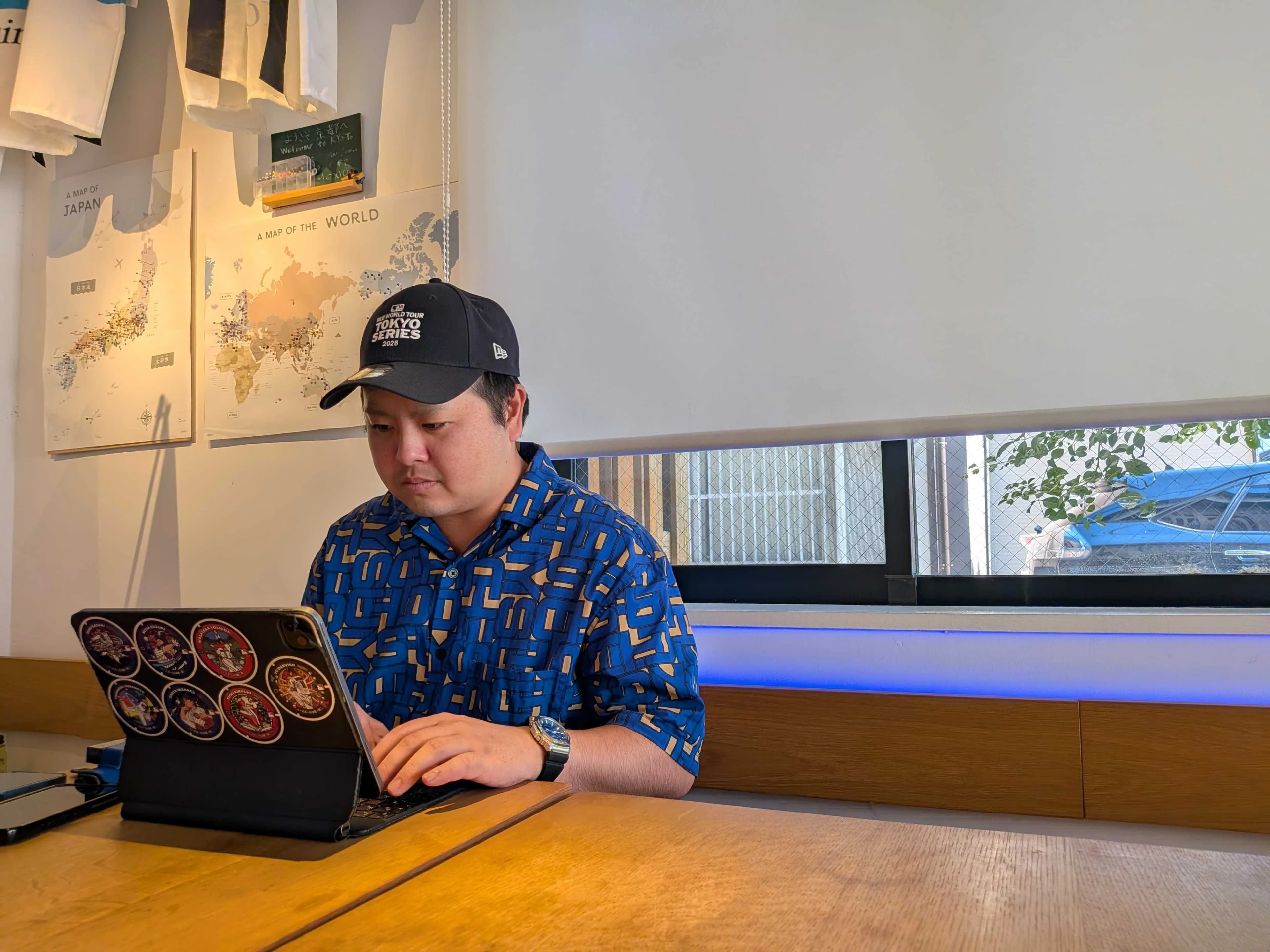
About the company
According to Yagi, COLOR3 operates the creator-support initiative N-Colle and a lodging business in Kyoto’s Gojo area.
What the diagnosis clarified
- Before
- According to Yagi, the business side and engineers could interpret website change requests differently.
- Found
- According to Yagi, the N-Colle introduction lacked a one-click path to the landing page for participation and attendance.
- Prepared
- According to Yagi, improvement points were identified from the initial input and converted into text that could be handed to an engineer.
Interview Q&A
Q. What was your first impression of SIGNAL?
A. At first, with so many AI-based services appearing, I thought it might be another similar service. Once our own site was actually reviewed and the missing pieces and possible improvements were made concrete, areas we had not been seeing became much clearer. That alone made using it worthwhile.
Q. What website-management issue did you have before using it?
A. We understood that the website is the face of the company. But when asking engineers to make changes, interpretation gaps can arise between people. Sometimes our intent was not fully communicated, so the result was not the website we had in mind.
Q. How did SIGNAL change that situation?
A. It helps by making the instruction — what should be changed and how — explicit. We do not spend every day thinking about the website, so being asked specific questions also makes us recognize issues we had not verbalized. It feels partly like a diagnosis and partly like structured interviewing.
Q. What specific issue did the diagnosis uncover?
A. We had an N-Colle business-introduction page and a separate landing page for participation and attendance, but there was no one-click path between them. Once it was pointed out, the problem was obvious: the route to inquiry or participation was missing. That was something we wanted to send to the engineer immediately.
Q. How useful was the handoff to engineers?
A. The seamless handoff is very useful. Even with the simple information entered this time, improvement points were found. The text was ready to hand to an engineer, and we wanted to start improvement work promptly.
Q. How did you view the time and cost?
A. Compared with checking everything manually, I felt it was possible to move the review forward in a shorter period. Compared with asking an engineer to perform the diagnosis separately, it felt easy to consider from both cost and time perspectives. This was my impression of this use, not a measured time or cost result.
Q. What kind of company do you think SIGNAL fits?
A. Yagi felt it may be especially relevant for established small and midsize companies rather than only startups. A business may keep changing over 10, 20, or 30 years while those changes are not fully reflected on its website. Yagi felt companies that have been operating for five years or more may find it worthwhile to take a fresh look.
What this case confirms
This case confirms issue discovery and preparation of an implementation request. Post-implementation outcomes are not measured. It does not guarantee search rankings, inquiry growth, or other outcomes.